Once the plant has reached maturity the flower buds will develop into flowers. These flowers are important in a plant’s life cycle as this is where the new seeds are made. In other words, the flower is where reproduction happens.
There are 2 key events involved in this stage, pollination and fertilisation.
Within the flower, you will find a stamen which is the male part of the flower, and a carpel, the female part.
The male part of the flower produces small grains of pollen and for a plant to become fertilised this pollen must reach part of the carpel called the stigma. In order for this to happen, pollination must occur.
Interestingly, some plants are able to self-pollinate while others must be pollinated with pollen from a different plant.
The act of pollination can happen in different ways too. Plants can be pollinated by insects, birds, animals, or even the wind.
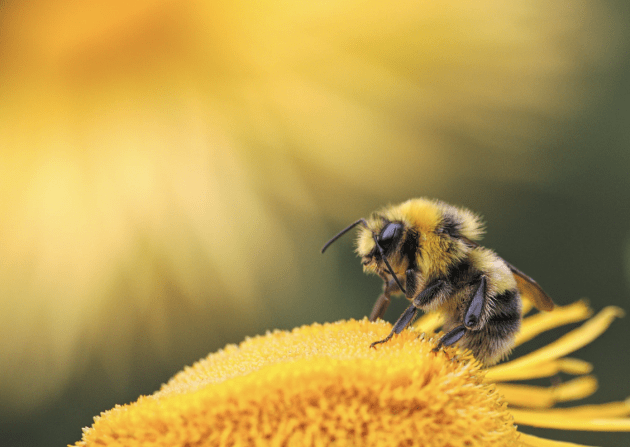
Flowers are good at attracting birds and insects with their brightly coloured petals and their sweet smelling scent. When these creatures come to feed or collect nectar from the flowers, they become covered in pollen. So then when they move from flower to flower they pollinate. Similarly, when animals pass by pollen can be carried on their bodies and fur and transferred to different flowers. Or on a breezy day, pollen can be transported in the air.
Once pollen is transferred from the male part of a flower to the female part of a flower, fertilisation begins.
Leave a Reply